
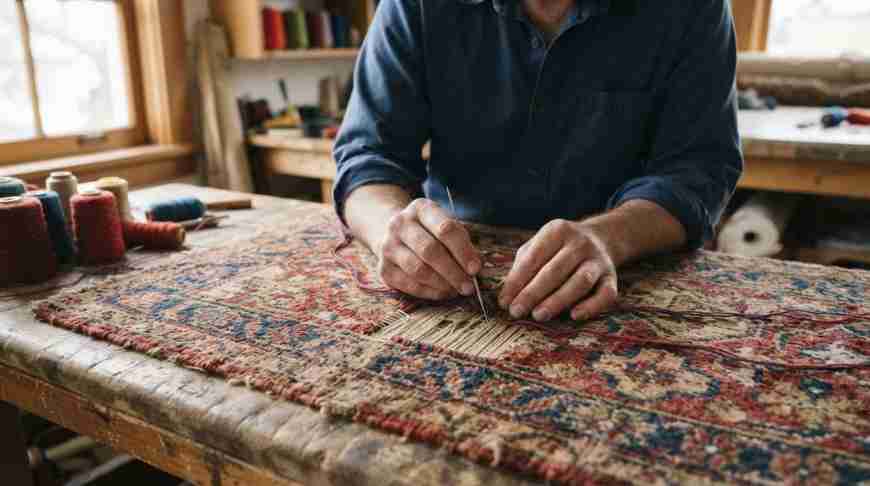
Professional upholstery cleaning can help refresh furniture while caring for its fabric and construction. A suitable cleaning method depends on the upholstery fibres, colour fastness, and level of soiling. Careful assessment and the right equipment help address embedded soil while reducing the risk of dye migration or fabric distortion.
Regular use and Southern Vancouver Island’s coastal humidity can affect upholstery over time. A professional assessment helps determine the appropriate cleaning process for each piece. Cleaning solutions and methods should be selected with the fabric’s care requirements in mind.
Here, you’ll learn how upholstery cleaning methods are selected, why fibre care matters, and how professional cleaning can help preserve your furniture. Contact Sani-Tech to request an estimate or book a consultation.
Key Takeaways
- Upholstery cleaning results depend on the fabric’s condition, so the final outcome may vary.
- Share details about stains or previous cleaning; this can help a professional choose an appropriate cleaning approach.
- Fibre type, colour, texture, and construction all influence how upholstery should be cleaned.
- A qualified cleaner assesses the fabric and explains the cleaning approach before work begins.
Can upholstery be cleaned without damaging the fabric?
Professional upholstery cleaning can refresh furniture, but the method depends on the fabric, its condition, and the type of soiling.
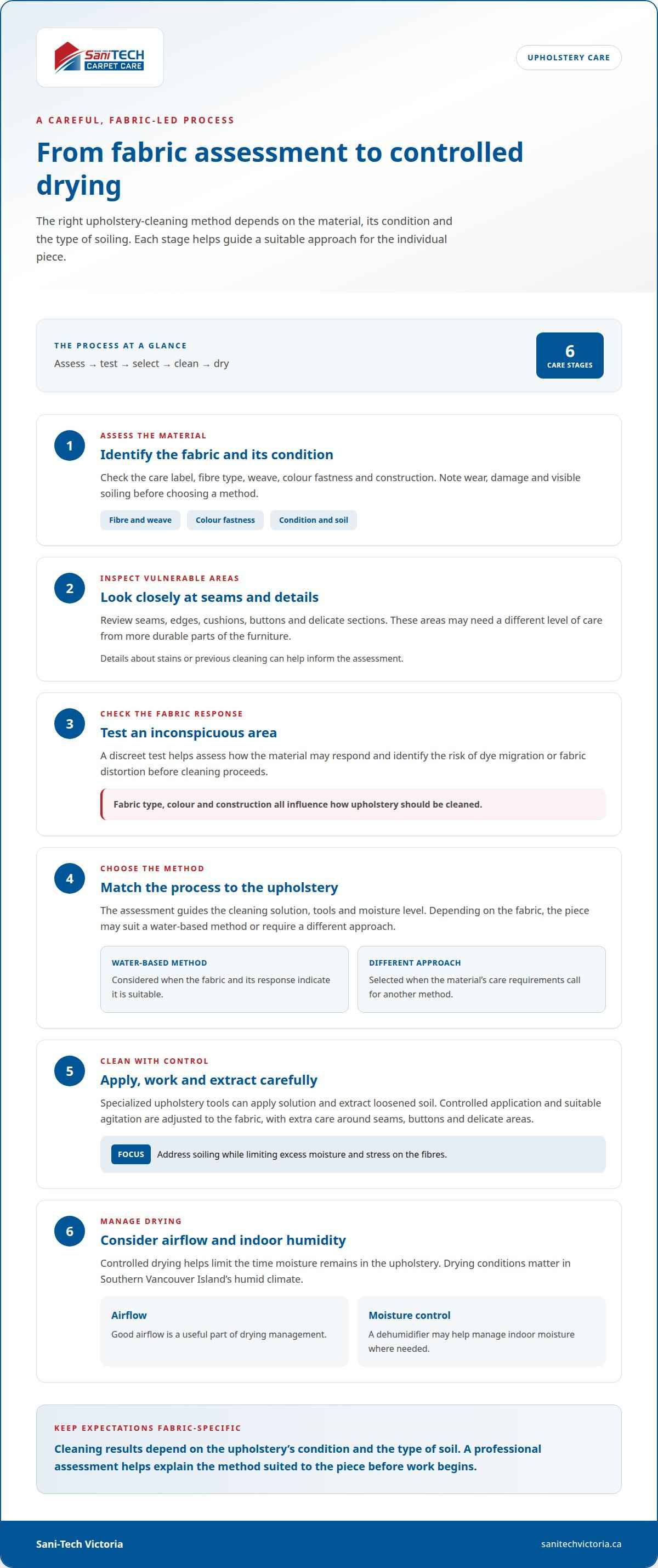
Before cleaning, a technician checks the care label, fabric type, and colour fastness. This helps determine whether the upholstery can be cleaned with a water-based method or needs a different approach. Testing an inconspicuous area can help identify the risk of dye migration or fabric distortion.
A professional assessment considers the fabric’s construction, seams, and condition before recommending a cleaning method. Controlled application of cleaning solution, suitable agitation, and careful extraction help remove soil while limiting excess moisture. The process is adjusted to the upholstery rather than treating every piece the same way.
Choosing a Suitable Cleaning Method
Cleaning methods are selected to suit the fabric’s texture and construction. A technician may use specialized upholstery tools to apply solution and extract loosened soil, taking care around seams, buttons, and delicate areas.
Results depend on the fabric’s condition and the type of soil. A professional assessment considers how the material may respond to cleaning and whether a particular stain or odour requires additional attention.
Professional Upholstery Cleaning
Household products may not be suited to every fabric, and excess moisture or unsuitable cleaners can make some issues harder to address. Professional cleaning takes the upholstery’s material and condition into account, helping protect its appearance and service life.
Ask for an assessment before booking so the technician can review the fabric, soiling, and any areas of concern. This allows the cleaning approach to be explained in practical terms before work begins.
Upholstery cleaning also requires care around seams and edges, where soil can collect and fabric may be more vulnerable. A technician adjusts the process to the condition of the piece and the needs of its materials.
Cleaning mattresses with care
Mattresses can collect dust, body oils, and everyday residue over time. Professional cleaning helps refresh the sleep surface while taking care to protect its materials.
Assessing Mattress Fibres
Cleaning begins with an assessment of the mattress fabric, construction, and visible soiling. This helps determine a suitable method and cleaning solution for the materials.
The fabric and condition matter: excessive moisture or an unsuitable product may affect some materials. The location and type of soiling also guide the approach, since different areas may need different levels of attention.
Before cleaning, a technician checks the surface and surrounding fibres. This helps identify areas that need careful treatment and supports a process suited to the mattress.
Organic Mattress Cleaning
Organic mattress cleaning uses cleaning solutions selected for the textile and cleaning task. A controlled application helps treat the surface without adding more moisture than necessary.
The cleaning method depends on the mattress fabric and the condition of the surface. Careful application and extraction help remove loosened soil and solution, while limiting moisture left in the material.
Drying time can vary with the mattress materials and indoor conditions. Southern Vancouver Island’s coastal humidity may affect drying, so good airflow and appropriate moisture control are useful considerations.
Cleaning Methods and Equipment
Professional equipment helps apply cleaning solution and remove loosened soil from the mattress surface. Technicians select tools and methods to suit the fabric and avoid unnecessary stress on the fibres.
The cleaning approach must suit the material and the level of soiling. Controlled treatment helps address the surface while supporting fibre care and a thorough result.
For mattress cleaning, Sani-Tech Victoria’s organic cleaning services are tailored to the fabric and its condition. Request an assessment to discuss a suitable approach for your mattress.
Professional upholstery cleaning
Upholstery cleaning starts with identifying the fabric and assessing its condition. A technician checks the weave, fibre type, construction, and any areas of wear or damage. These details guide the cleaning method and help protect the furniture during the process.
Cleaning solutions and moisture levels must suit the fabric. Excess moisture or an unsuitable product can contribute to dye migration or fabric distortion. Careful testing helps determine how the material may respond before cleaning begins.
Soil and stains can affect the appearance of upholstery, but results depend on the fabric and the type of soiling. A technician selects an appropriate method for the material, addressing soiled areas without treating every fabric the same way.
Professional cleaning also requires attention to the furniture’s structure. Seams, cushions, and delicate details may need a different approach from more durable sections. A careful process helps clean the fabric while respecting the construction of the piece.
After cleaning, controlled drying helps limit the time moisture remains in the upholstery. In Southern Vancouver Island’s humid climate, ventilation and drying conditions matter. A dehumidifier may help manage indoor moisture where needed.
Professional upholstery cleaning can refresh furniture and support its long-term care. The fabric type, colour fastness, and condition help determine the suitable method. Request an estimate from Sani-Tech to discuss upholstery cleaning for your home or business.
Choosing professional carpet cleaning
A sound cleaning plan starts with examining the carpet. The cleaner should assess the fibres, pile, soil, and any visible staining before describing the work. An estimate based only on a photograph or verbal description may not account for the carpet’s condition or the needs of surrounding areas.
Ask for a clear explanation of the proposed cleaning method. The cleaner should describe whether the carpet is suited to hot water extraction or another approach, and explain how the method relates to its construction. For example, a carpet with heavy soil may need a different process from one requiring routine maintenance.
A useful assessment also identifies details that affect the finished appearance. The cleaner can explain how fibre type, colour fastness, texture, and pile condition inform the cleaning plan. For a patterned carpet, ask how the process will protect its colours and design. Results can vary with the carpet’s materials, condition, and the type of soil present.
Before approving the work, make sure the estimate follows an assessment and describes the planned cleaning. It should note any areas of concern and explain how the process will be carried out. This gives you a clear understanding of what the service includes.
Experience with carpets matters because different fibres and constructions need appropriate care. A general approach may not suit every carpet or address the way soil is held within its pile. A qualified cleaner can explain these considerations in plain language and outline the expected scope of the work.
For a carpet that needs professional attention, arrange an assessment before choosing a cleaning method. Request a carpet cleaning estimate to discuss the carpet’s condition and suitable cleaning options.
Sani-Tech Victoria: Upholstery Cleaning
Sani-Tech Victoria provides professional upholstery cleaning, with the method selected to suit the fabric and its condition. Careful cleaning helps remove embedded soil while protecting fibres and preserving the furniture’s appearance.
For upholstery in Victoria, Sidney, Sooke, and Mill Bay, damp indoor conditions make moisture management an important part of cleaning. If furniture has been exposed to moisture, mention this when arranging an assessment. This context helps inform a careful review of the fabric and backing.
Contact Sani-Tech Victoria to discuss your upholstery cleaning needs.
Choose a Preservation-Focused Next Step
Decide what matters most for your upholstery: refreshing its appearance, addressing soiling, or caring for delicate fibres. Professional upholstery cleaning can help preserve the furniture’s condition, particularly when it has personal or long-term value. A focused discussion can clarify the cleaning approach best suited to its material and condition.
Sani-Tech Victoria also cleans area rugs and carpets. These services address different household textiles, while upholstery cleaning focuses on furniture fabrics. Keeping those needs distinct helps ensure the next step suits the item, rather than treating every fibre or surface alike.
Share what you know about the upholstery and its condition, and start a discussion about appropriate cleaning options. Contact Sani-Tech Victoria about upholstery cleaning and take a considered step towards caring for your furniture.
Frequently Asked Questions
What information should I provide about upholstery that needs cleaning?
Describe the furniture’s fabric, any known care instructions, and the areas that need attention. Mention whether there are stains, pet odours, or previous cleaning treatments, as these details can help guide the assessment. If you do not know the fabric type or its history, say so; a technician can assess the upholstery before selecting a cleaning method.
My Upholstery Needs Cleaning. What Should I Do?
Keep pets and regular foot traffic away from heavily soiled areas while you arrange an assessment. Avoid rubbing stains or applying untested products, as these can affect the fibres or cause dye migration. Note where the soil or odour is located and whether the fabric has any visible changes; these details help describe the issue during an inspection.
What’s the difference between upholstery cleaning methods?
The suitable method depends on the fabric, its colour fastness, and the type of soil. Some upholstery can be cleaned with a controlled moisture process, while other materials may require a lower-moisture approach. A technician assesses the fabric and checks for potential risks before choosing a method, helping protect the material while addressing embedded soil.
How do you approach cleaning upholstered furniture?
First, the fabric and its condition are examined to identify the appropriate cleaning process. The technician selects suitable cleaning agents and equipment, then treats the upholstery with care to limit excess moisture and fabric distortion. This attention to the material helps clean the furniture while supporting its appearance and long-term preservation.
Can I try cleaning an upholstery stain myself?
You can take care not to spread a fresh spill, but professional cleaning is a suitable choice when the fabric or stain is uncertain. Rubbing or applying an untested product can affect the fibres or make later treatment more difficult. Avoid scrubbing or using adhesives, and share any steps already taken so the technician can assess the upholstery accurately.
Can cigarette smoke odour be removed from upholstered furniture?
Professional treatment can address cigarette smoke odour in upholstery, and the appropriate approach depends on the fabric and the extent of the odour. Describe which pieces are affected and whether the odour is concentrated in particular areas, so the upholstery can be assessed as part of the cleaning plan.